
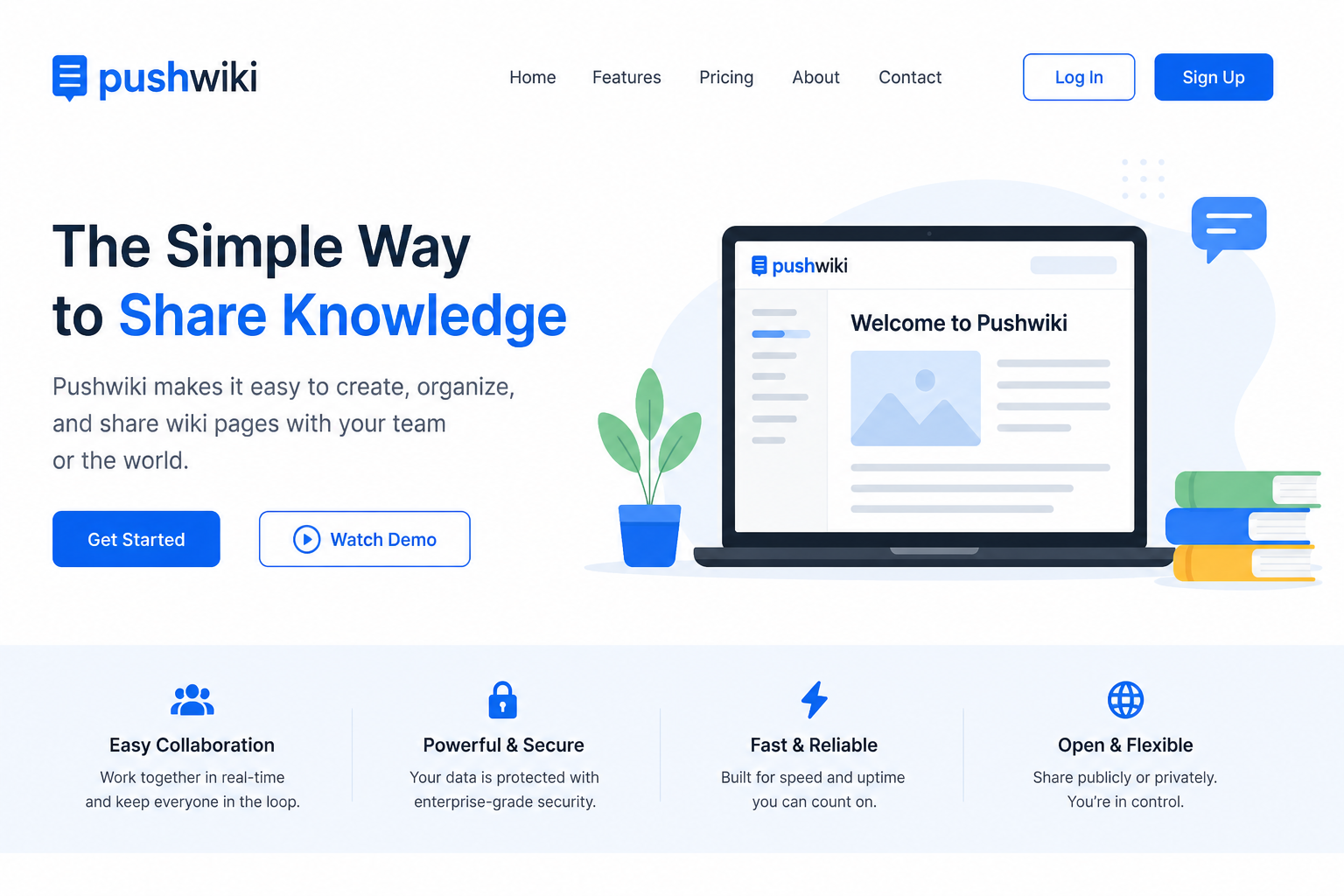
In the modern digital ecosystem, users constantly search for platforms that provide useful information, accessible resources, and organized knowledge. pushwiki com has become a term that attracts curiosity because people want to understand what it represents, how it works, and why it may be relevant in today’s online environment.
This comprehensive guide explores the concept behind the platform, its potential uses, digital importance, and the broader trends connected to online knowledge-sharing systems. Whether you are researching the name, evaluating its purpose, or exploring related digital platforms, this resource provides a detailed overview designed for clarity and practical understanding.
Understanding the Concept Behind Pushwiki com
The internet has evolved from simple information pages into interconnected knowledge ecosystems where users expect fast access to structured, reliable, and meaningful content. pushwiki com represents the type of digital concept associated with information discovery, content organization, and online accessibility.
Platforms built around knowledge distribution often focus on improving how people find, understand, and interact with information. They may combine elements of publishing, community contribution, searchable databases, and digital reference systems to create a smoother user experience.
The growth of online information platforms shows a larger movement toward self-service learning and instant access to resources. Instead of depending only on traditional sources, users increasingly explore digital environments that provide organized insights and easy navigation.
Why Digital Knowledge Platforms Matter Today
Modern audiences have shorter attention spans but higher expectations for quality information. A successful knowledge platform must balance speed, accuracy, usability, and relevance. This is why platforms similar to pushwiki com attract attention from users interested in efficient information discovery.
Businesses, researchers, students, and everyday internet users all benefit from well-structured digital resources. A clear information architecture helps people locate answers quickly while reducing the frustration caused by scattered or unreliable content.
“Information becomes valuable when it is organized, accessible, and connected to the needs of the people searching for it.”
The future of digital publishing depends heavily on platforms that understand user behavior. Search-friendly structures, semantic relationships, and intuitive navigation are becoming essential components of successful online experiences.
Key Features Expected From Modern Information Platforms
A strong digital knowledge platform usually includes several important characteristics that improve user engagement and content accessibility. These features create a foundation for better discovery, learning, and interaction.
| Feature | Purpose | User Benefit | Digital Impact |
| Organized Content Structure | Groups information logically | Faster navigation | Improves user experience |
| Search Functionality | Helps locate specific topics | Saves time | Supports information discovery |
| Updated Resources | Keeps content relevant | Better reliability | Builds trust |
| Mobile Compatibility | Supports different devices | Easy access anywhere | Expands audience reach |
| Clear User Interface | Simplifies interaction | Reduces confusion | Improves engagement |
These elements reflect what users expect from modern websites and digital resources. A platform that successfully combines these qualities has a stronger opportunity to provide meaningful value.
The Role of Content Organization in Online Success
Content organization is one of the most important factors behind effective digital platforms. When information is arranged properly, users can move naturally from basic concepts to deeper insights without unnecessary complexity.
The structure behind pushwiki com can be viewed through the wider lens of digital content management. Successful online resources depend on categories, connections, keywords, and contextual relevance to create a smooth knowledge journey.
Search engines also reward websites that provide clear topic relationships. Semantic SEO, internal linking, and comprehensive coverage help search algorithms understand the purpose and value of content.
How Knowledge Platforms Support User Learning
Learning has changed significantly because of digital transformation. People now expect information to be available immediately, whether they are researching a professional topic or exploring personal interests.
Platforms associated with online knowledge sharing help users move beyond surface-level searches. Instead of finding isolated answers, users can explore connected concepts, background information, and practical explanations.
A well-developed information environment creates a learning experience similar to having a digital encyclopedia combined with modern search convenience. This approach supports both casual visitors and serious researchers.
The Importance of Trust and Information Quality
Trust is one of the biggest challenges facing online information sources. With millions of pages available online, users need confidence that the information they consume is accurate, useful, and responsibly presented.
Any platform related to digital knowledge must prioritize transparency, clear sourcing, and consistent content standards. These practices help establish credibility and improve long-term audience relationships.
Quality content is not only about length. It requires expertise, context, and the ability to answer real user questions. Search engines and audiences increasingly recognize platforms that provide genuine value rather than simple keyword-focused pages.
Comparing Different Types of Digital Information Platforms
Understanding where a platform fits within the wider digital landscape helps explain its purpose. Different online resources serve different audiences and goals.
| Platform Type | Main Purpose | Common Users | Strength |
| Online Encyclopedia | Reference information | Students and researchers | Broad knowledge |
| Community Knowledge Base | Shared expertise | Communities and professionals | Collaborative insights |
| Publishing Platform | Content creation | Writers and brands | Flexible publishing |
| Search-Based Resource | Quick discovery | General users | Fast answers |
| Educational Platform | Structured learning | Learners | Guided knowledge |
This comparison shows that digital information systems can serve many roles. Their success depends on how effectively they connect users with valuable content.
SEO and the Relationship Between Search Visibility and Knowledge
Search engine optimization has become a major factor in how digital resources reach audiences. A platform with strong SEO foundations can attract users searching for specific information needs.
For terms like pushwiki com, search relevance depends on context, authority, content depth, and user intent. Modern SEO is no longer only about repeating keywords; it focuses on creating complete resources that answer meaningful questions.
Semantic keywords, related topics, and natural language patterns help search engines understand content better. This approach creates stronger visibility while improving the reading experience.
Common Misconceptions About Digital Knowledge Platforms
Many people assume that every information platform works the same way. In reality, digital resources differ significantly in purpose, quality control, and user experience.
One common misconception is that more information always means better information. Without proper organization and accuracy, large amounts of content can create confusion rather than value.
Another misunderstanding is that technology alone creates a successful platform. While technical features matter, the real foundation comes from useful content, thoughtful structure, and understanding user needs.
The Future Evolution of Online Information Systems
The next generation of digital platforms will likely focus on personalization, artificial intelligence, and smarter information connections. Users increasingly expect systems that understand their interests and provide relevant results.
Emerging technologies are changing how people interact with online knowledge. AI-powered recommendations, improved search systems, and automated organization methods are becoming important parts of the digital landscape.
The future of platforms like pushwiki com depends on adapting to these changes while maintaining reliability and user-focused design.
Practical Ways Users Can Evaluate Online Platforms
Before relying on any online resource, users should consider several factors including credibility, usability, update frequency, and transparency. These simple checks help identify valuable digital sources.
A good platform should make information easy to understand without creating unnecessary complexity. Navigation, readability, and content quality all contribute to a better overall experience.
Users should also examine whether the platform genuinely helps solve problems or simply provides information without meaningful context.
Why User Experience Defines Digital Success
User experience has become a competitive advantage in the online world. Even valuable information can lose impact if users struggle to access or understand it.
Successful platforms focus on clean design, logical navigation, and content that matches user expectations. These elements encourage visitors to spend more time exploring resources.
The relationship between usability and information quality creates stronger engagement. A platform that respects user needs has greater potential for long-term growth.
Conclusion
Digital knowledge platforms represent an important part of how people discover, consume, and share information online. pushwiki com reflects broader conversations around organized content, digital accessibility, and modern information discovery.
As the internet continues evolving, platforms that prioritize quality, structure, and user experience will remain valuable. The future belongs to digital resources that transform information into meaningful knowledge.
Understanding how these systems work helps users make better decisions about the resources they trust and the platforms they explore.
FAQ
What is pushwiki com?
pushwiki com refers to a digital platform concept associated with online information discovery and organized content resources. Users exploring it typically want to understand its purpose and relevance.
Is pushwiki com a knowledge platform?
The idea behind pushwiki com connects with modern knowledge-sharing systems that focus on organizing and presenting information in accessible formats.
Why do people search for pushwiki com?
People may search for pushwiki com to learn about the platform, understand its features, or discover information connected to digital publishing and online resources.
How do digital platforms like pushwiki com help users?
Platforms such as pushwiki com represent the broader goal of making information easier to find, understand, and use through organized digital experiences.
What makes an online information platform successful?
A successful platform depends on accurate content, strong organization, easy navigation, and a user-focused approach that creates genuine value.
You May Also Read: Snokido Unblocked